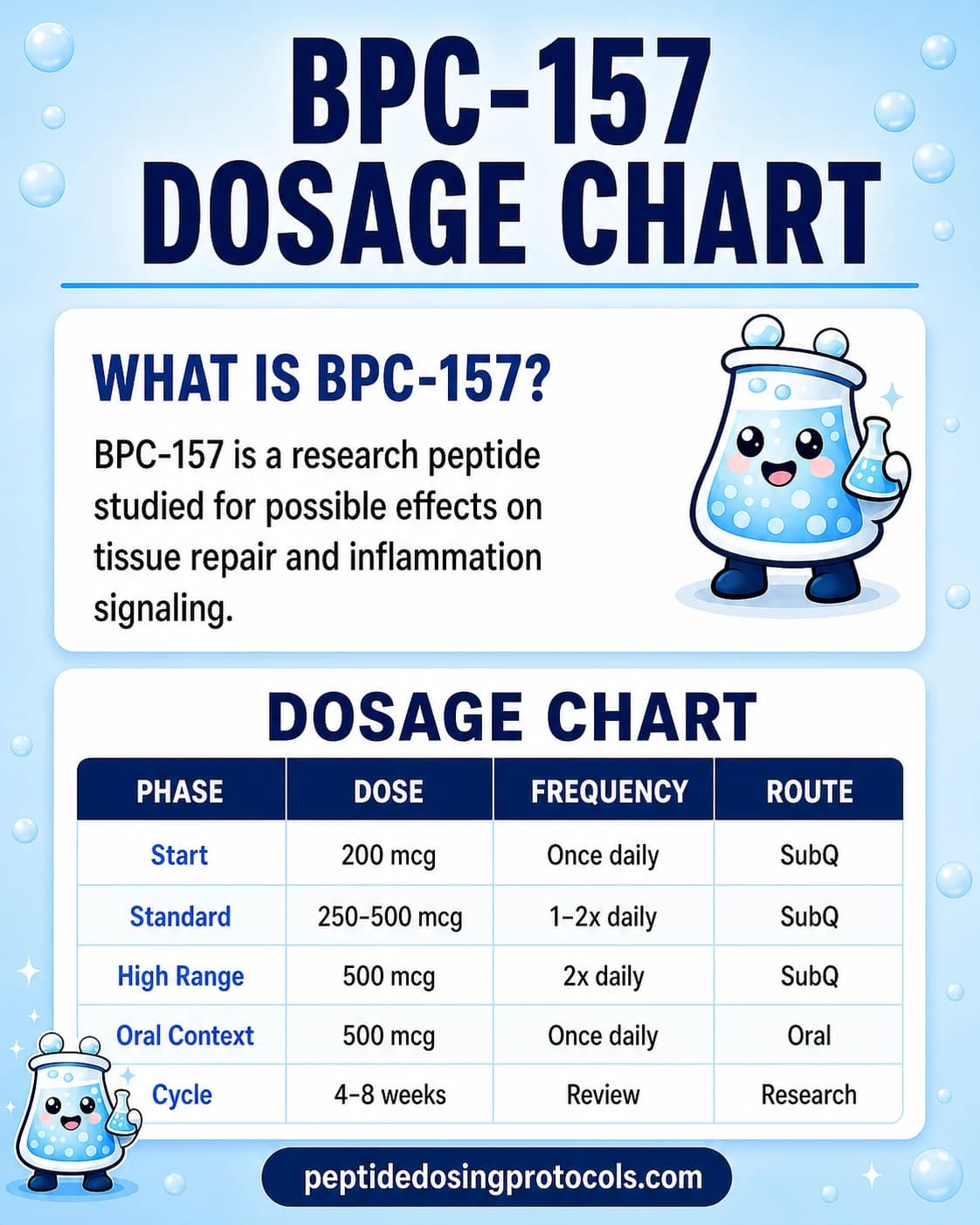
This guide breaks down the best peptide for each pain type, how peptides reduce pain differently than drugs, dosing protocols for pain management, combining peptides for complex pain, safety compared to traditional pain medications, and complete protocols for chronic pain conditions
Benefits for Gut Health: Heals intestinal epithelial lining Reduces leaky gut and enhances barrier integrity Speeds recovery from ulcers, colitis, and Crohns disease Modulates nitric oxide and immune response Improves gut-brain axis signaling Clinical Uses: Patients with SIBO, IBS, IBD, or damage from NSAIDs or alcohol often benefit greatly from BPC-157
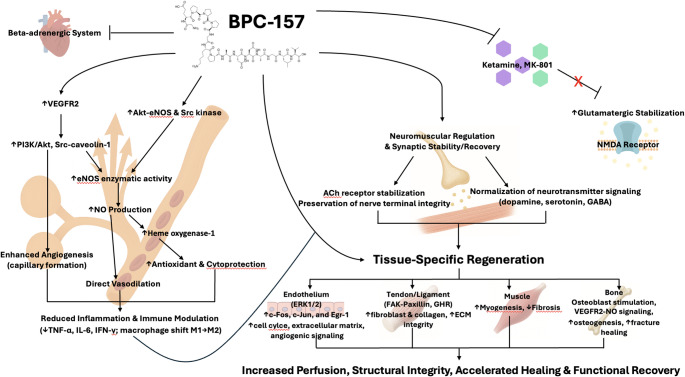
It has gained attention for its potential role in: Tissue Repair and Regeneration Preclinical research suggests BPC-157 may accelerate healing in muscles, tendons, ligaments, and even the gastrointestinal tract
For in vitro cell biology studies, BPC-157 can be added directly to culture media to examine cell-autonomous effects on fibroblasts, tenocytes, endothelial cells, or neurons without requiring cell penetration or receptor internalisation for biological activity
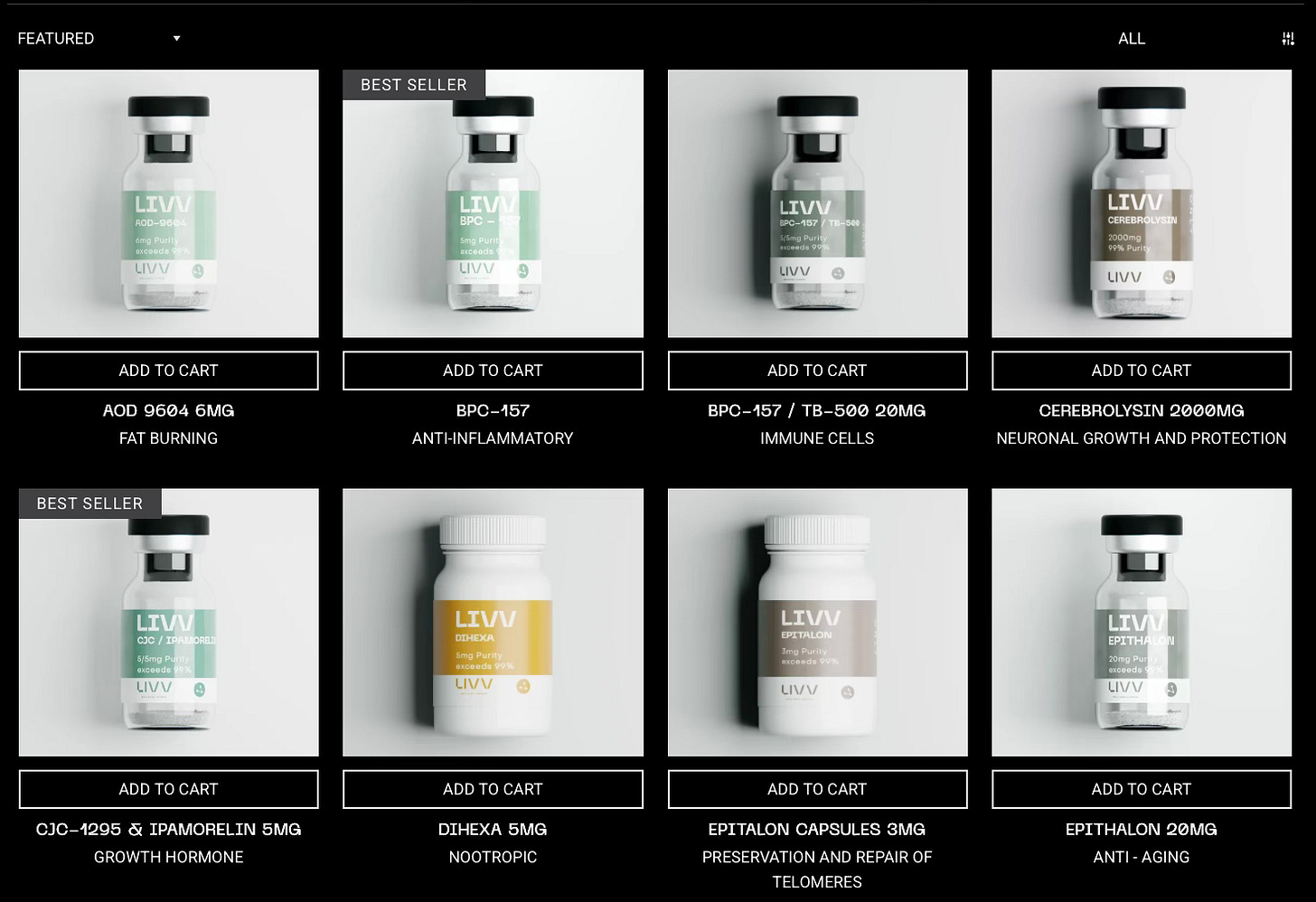
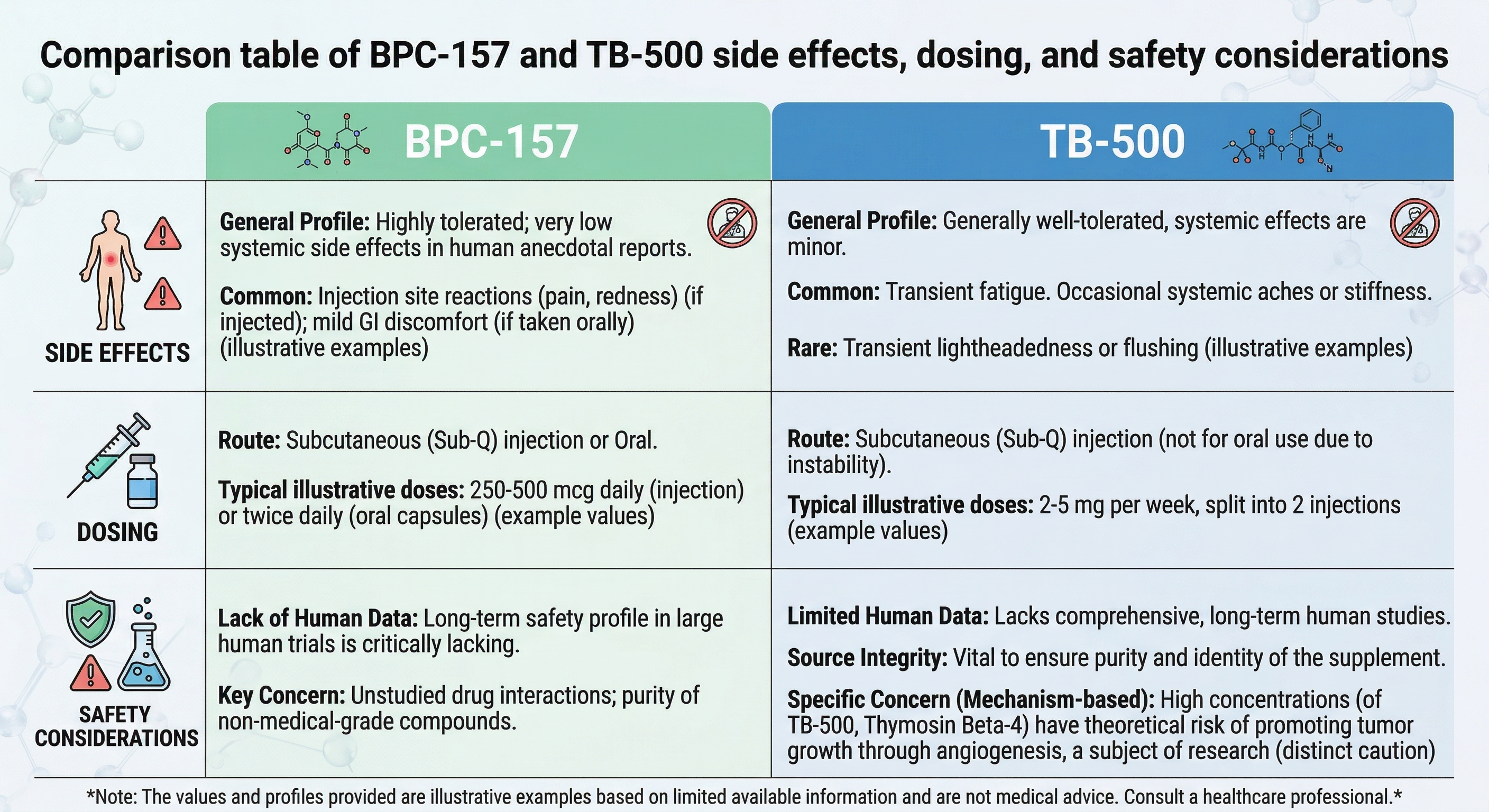
It contains three established research peptides BPC157, TB500, and GHKCu enabling researchers to study combined peptide activity, crosspathway interactions, and structural or signalling behaviour within multicompound experimental systems