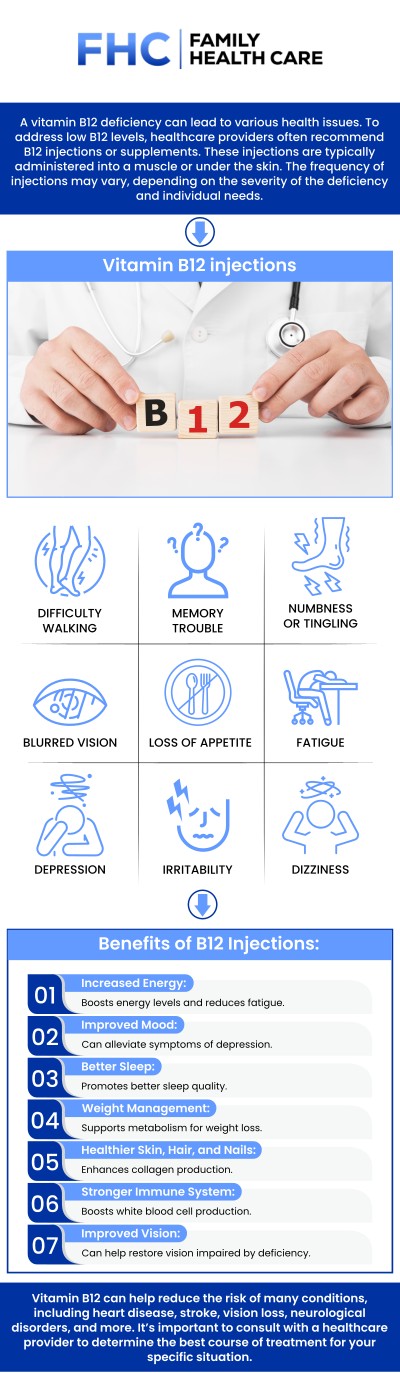
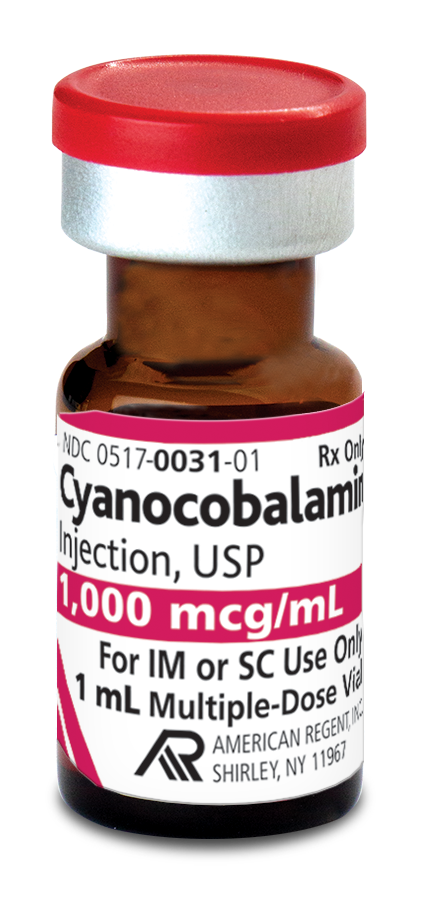
While oral supplements work for some, injections provide several distinct advantages: Immediate Absorption Directly enters the bloodstream, bypassing digestive barriers
Heffernan MA, Jiang WJ, Thorburn AW, Ng FM
Research suggests this may be due to higher concentrations of beta-3 adrenergic receptors in these fat depots
(2000), Horm Res 53(Suppl 3), PubMed 10971106 Statistics from preclinical literature AOD-9604 = modified fragment of hGH 177191 + N-terminal Tyr (sequence Tyr-Leu-Arg-Ile-Val-Gln-Cys-Arg-Ser-Val-Glu-Gly-Ser-Cys-Gly-Phe), molecular weight 1815.1 Da Developed at Metabolic Pharmaceuticals (Australia) based on the work of professor Frank Ng (Monash University) in the 1990s Standard experimental dose in obesity clinical trials: 1 mg/day subcutaneously (Phase 2b, Heffernan et al.) Mechanism: stimulation of 3-adrenergic receptors in adipose tissue, increased lipolysis and fatty acid oxidation without activation of the hGH receptor (no IGF-1 increase) Phase 2b clinical trial (2007, 300 patients): weight reduction ~2.8 kg vs placebo over 12 weeks FDA status: NDI rejection (2014) as a dietary supplement
AOD 9604 works, but it's not dramatic in the short term