Specifically, it is a modified version of the C-terminal fragment of HGH, which is the region of the hormone responsible for its fat-burning properties
Some of the biggest risk factors for B12 deficiency are vegetarian/vegan diets, pregnancy/breastfeeding, and aging

Heres what you need to know: Target Tissue: Works specifically on adipose tissue without systemic growth hormone effects or muscle tissue impact Mechanism: Activates beta-3 adrenergic receptors on fat cell membranes, triggering intracellular fat-burning cascades Primary Action: Stimulates hormone-sensitive lipase to break down stored triglycerides into free fatty acids for energy utilization Secondary Action: Inhibits lipogenic enzymes that convert excess calories into stored fat Regional Selectivity: Particularly effective on visceral (deep abdominal) and subcutaneous fat deposits with high beta-3 receptor concentration Preservation Effect: Targets fat tissue selectively without promoting muscle protein breakdown or affecting lean tissue Unique Advantage: Does not bind to growth hormone receptors, avoiding effects on IGF-1, glucose metabolism, or insulin sensitivity Research Validation: Clinical trials with 900+ participants confirmed selective fat metabolism effects with excellent safety profile The following guide provides detailed analysis of how AOD-9604 targets fat cells, from receptor binding to metabolic outcomes
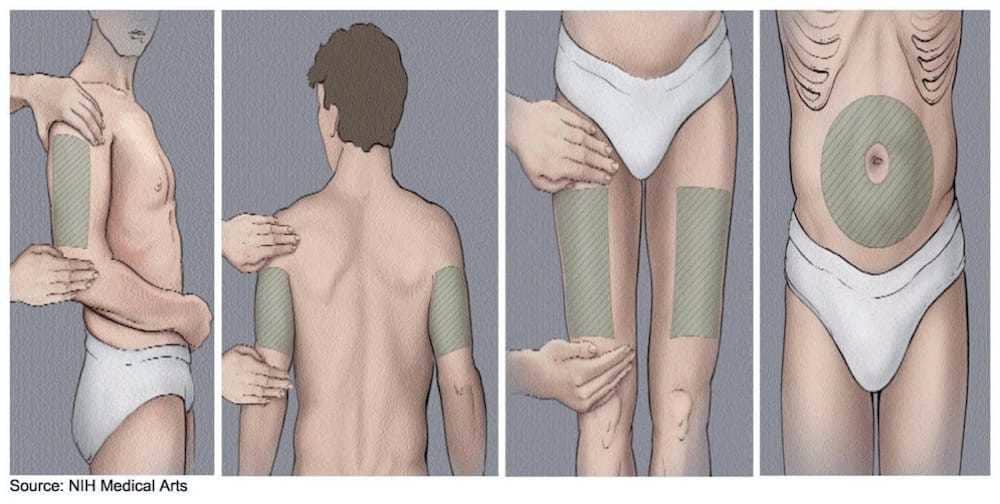
It is often the outer part of your thigh
It impacts brain function, nervous system health, and blood cell formation