Neurological: convulsions, increased intracranial pressure with papilledema (pseudotumor cerebri) usually after treatment, vertigo, headache Endocrine: menstrual irregularities, development of cushingoid state, suppression of fetal intrauterine or childhood growth, lack of secondary response of the adrenal cortex or pituitary gland, particularly in situations of stress such as trauma, surgery or illness, decreased carbohydrate tolerance, manifestations of latent diabetes mellitus, increased requirements of insulin or oral hypoglycemic agents in diabetic patients Ophtalmic: posterior subcapsular cataracts, increased intraocular pressure, glaucoma, exophthalmos Metabolic: negative nitrogen balance due to protein catabolism Psychiatric: euphoria, mood swings, severe depression to frank psychotic manifestations, personality changes, hyperirritability, insomnia Others: anaphylactoid or hypertensive reactions and hypotension or shock-like reaction Cyanocobalamin and hydroxocobalamin: hypervitaminosis and side effects were not observed with their use Dosage and administration Adults Coated tablets: 1 coated tablet 2 times a day

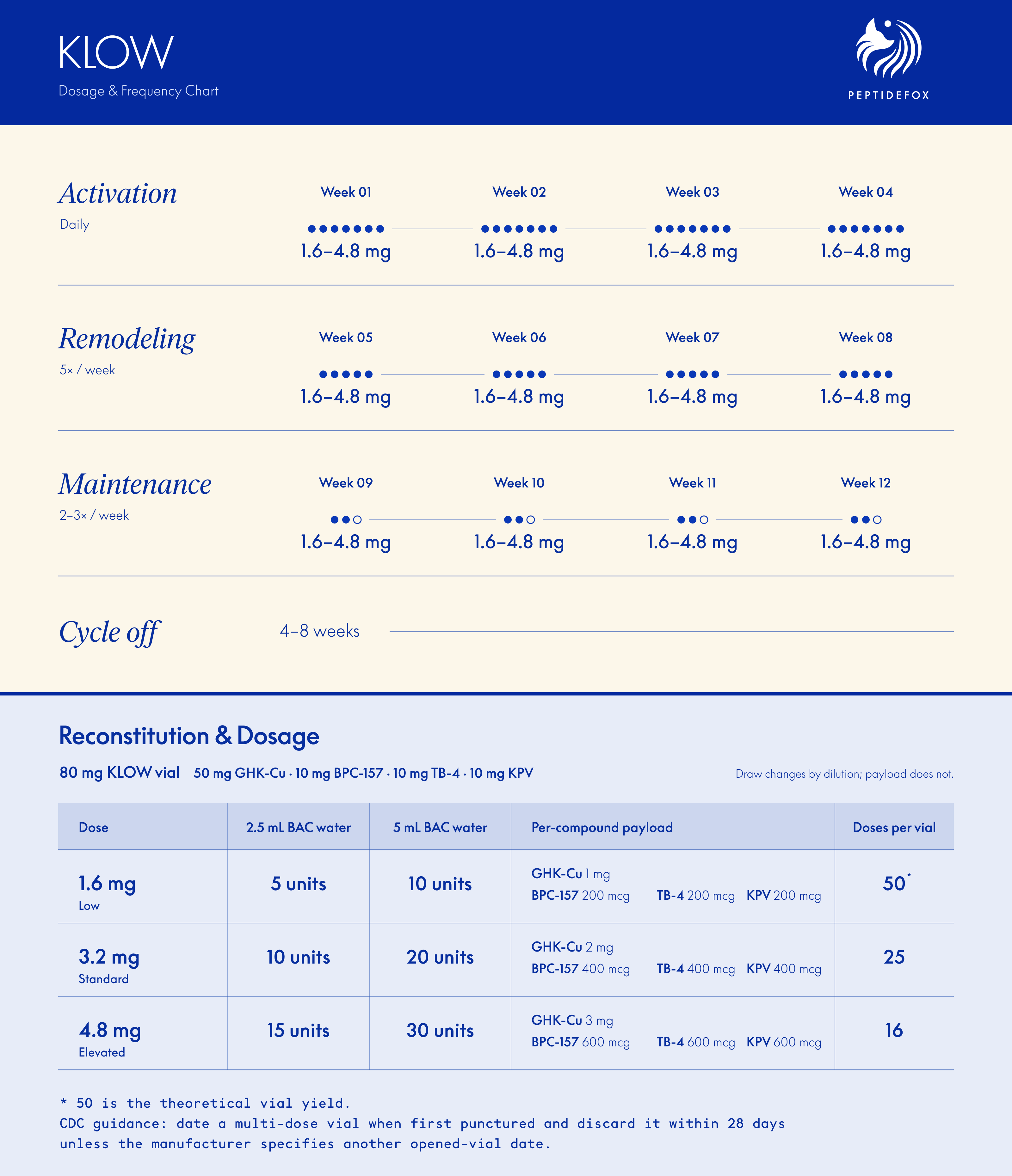
On most insulin syringes, the markings are at every 2 units (for a 100-unit syringe) or every 1 unit (for a 30-unit syringe)
The BPC-157 peptide has been demonstrated to enhance blood flow to inflammatory or injured areas by promoting blood vessel formation, which makes it easier for the transfer of nutrients and oxygen necessary for tissue healing (1)
Muscle Weakness Another common symptom of B12 deficiency is muscle weakness
How fast does it work