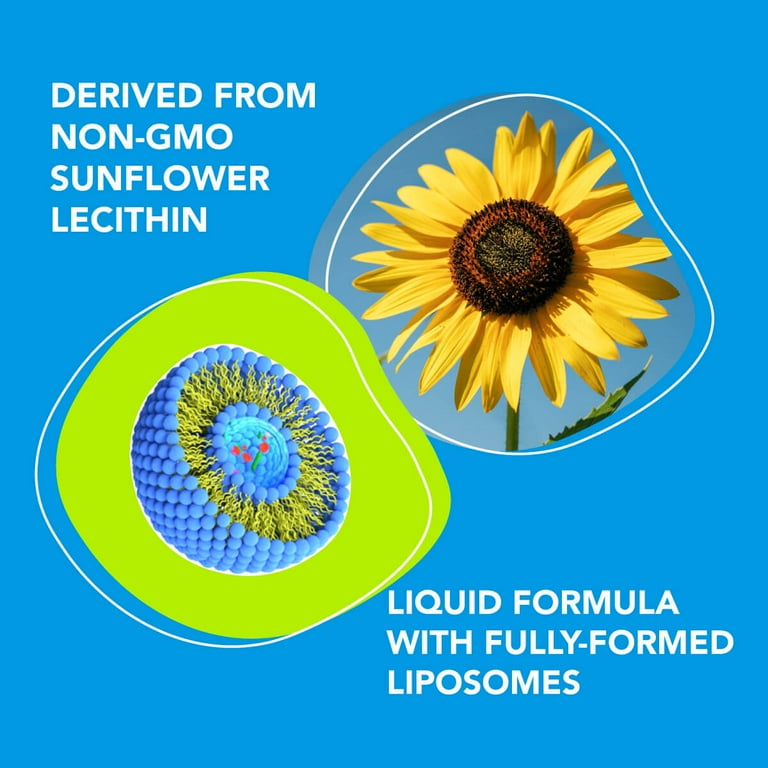
NAD+ targets cellular energy production and DNA repair at the mitochondrial level
Avoid estimating or eyeballing measurements as this can lead to significant errors
Whether youre considering Glutathione IV therapy for health reasons or are simply curious about its potential benefits, this comprehensive guide will provide you with the information you need to make an informed decision
This content is for research and informational purposes only Common Research Doses Low (1.0mg / 1000mcg): Often utilized in conservative or localized skin remodeling trials, where lower concentrations effectively stimulate basal cell regeneration, elastin production, and fibroblast activity.[1] Mid (2.5mg / 2500mcg): The standard median dosage in systemic literature, frequently cited in in vivo protocols observing significant upregulation of angiogenesis, collagen synthesis, and the modulation of systemic inflammatory pathways.[2] High (5.0mg / 5000mcg): The upper threshold typically reserved for severe acute injury models, such as accelerated burn/scald wound healing, or larger animal models requiring a robust systemic delivery of the copper-peptide complex.[3] Frequency of Administration In experimental systemic protocols, GHK-Cu is most commonly administered once daily
Administration Route# Dihexa has a notable advantage in practical administration: its demonstrated oral bioavailability (approximately 38%) means it can be taken by mouth with meaningful CNS exposure