The compound inhibits acetyl-CoA carboxylase and reduces de novo fatty acid synthesis
Conditions associated with elevated B12 levels include: Liver disease : Hepatocellular damage releases stored B12 into circulation, with levels correlating with disease severity in conditions such as cirrhosis, hepatitis, and hepatocellular carcinoma Renal impairment : Reduced kidney function decreases B12 clearance, leading to accumulation Haematological malignancies : Myeloproliferative disorders, acute leukaemia, and polycythaemia vera can elevate B12 through increased production of B12-binding proteins (transcobalamins) Solid tumours : Certain cancers, particularly those affecting the liver or gastrointestinal tract, may elevate B12 levels A specific concern relates to cyanocobalamin in patients with Leber's hereditary optic neuropathy , a rare mitochondrial disorder
Discuss your current medications with your nurse during intake so the right approach can be confirmed for your specific situation
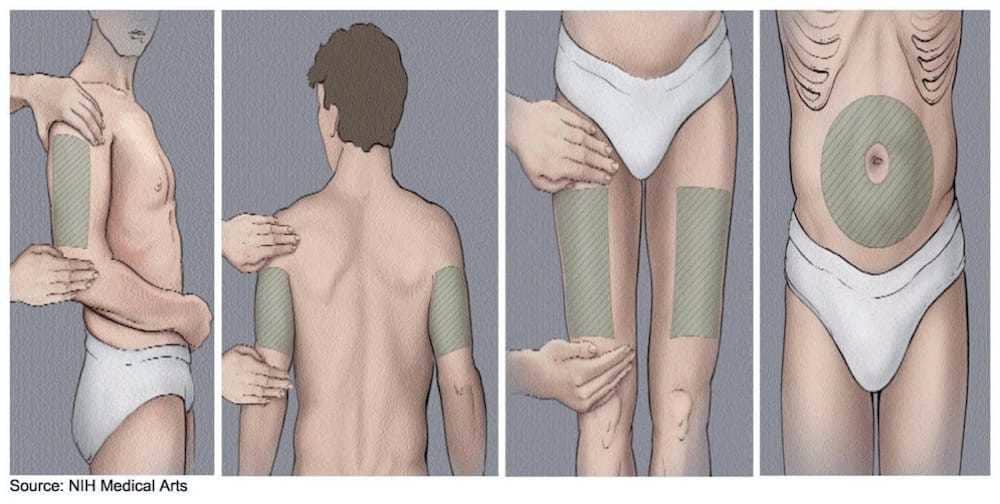
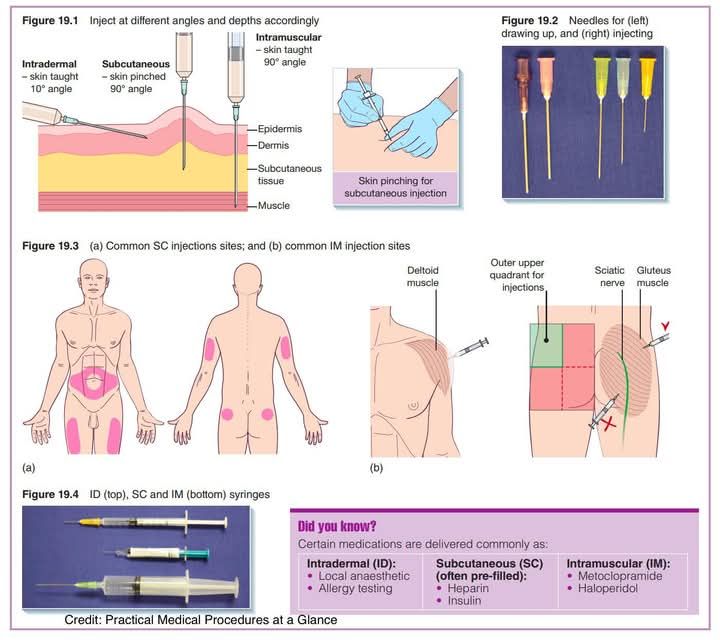
Dispose of the needle and syringe: Carefully remove the needle from the injection site and dispose of the used needle and syringe in a puncture-resistant container
A qualified provider will evaluate your health to ensure treatment is appropriate and safe