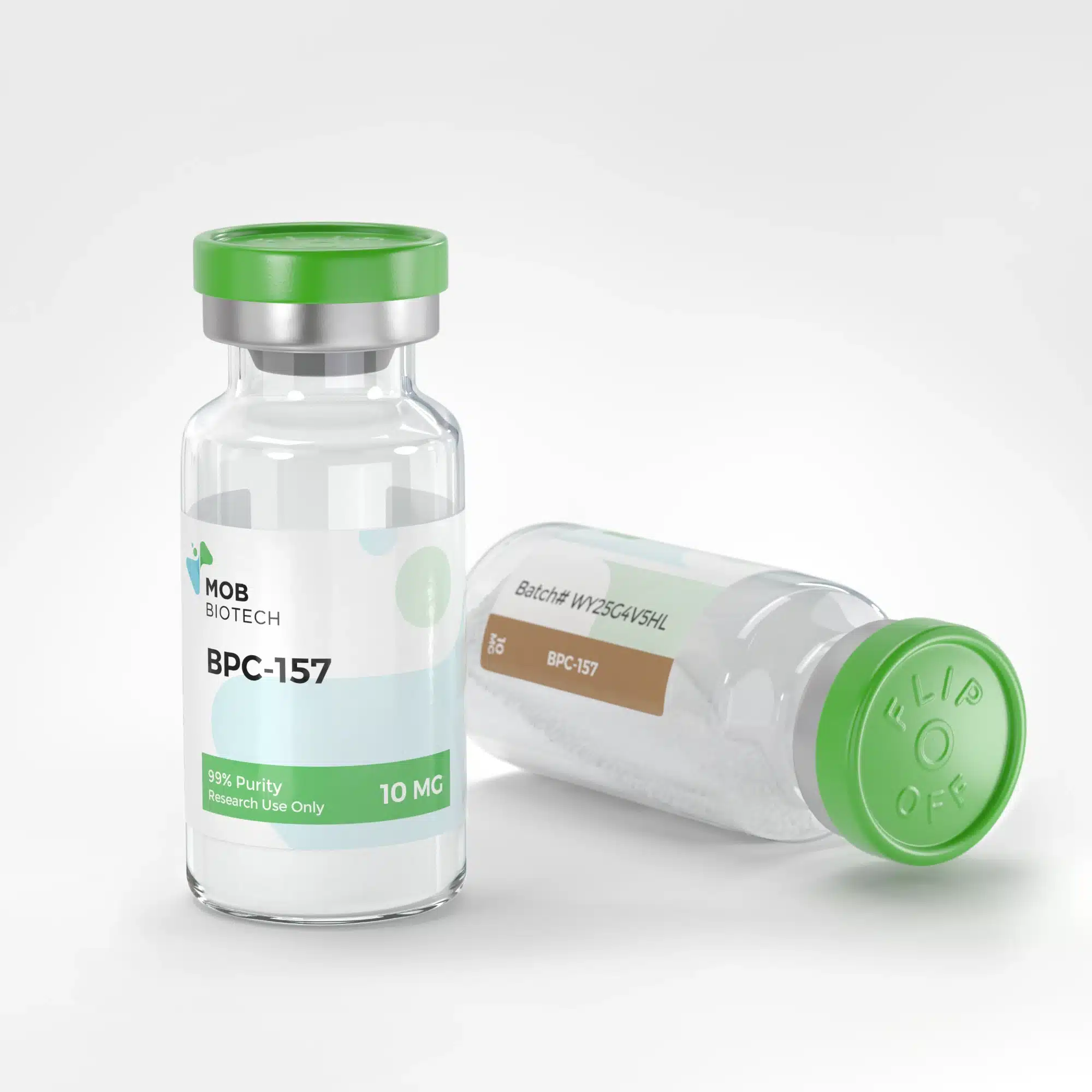
As horses age or endure repetitive high-impact activities, the cartilage and connective tissues in their joints can begin to deteriorate
Take over-the-counter pain medication if needed
The best possible place to inject your cat is in the loose skin over the shoulder blades, just behind the scruff of the neck
Blend Composition PEPTIDE COMPONENTS BPC-157: 5mg (Body Protection Compound) GHK-Cu: 35mg (Copper Peptide) TB-500: 10mg (Thymosin Beta-4 Fragment) Ratio: 1:7:2 (BPC:GHK:TB) PHYSICAL PROPERTIES Total Weight: 50mg peptide blend Form: Lyophilized powder blend Color: Light blue tint (from GHK-Cu) Storage: Keep refrigerated 3646 F (28 C) Related products GHK-Cu $50.00 $90.00Price range: $50.00 through $90.00 Epithalon $45.00 $140.00Price range: $45.00 through $140.00 MOTS-c $60.00 $190.00Price range: $60.00 through $190.00
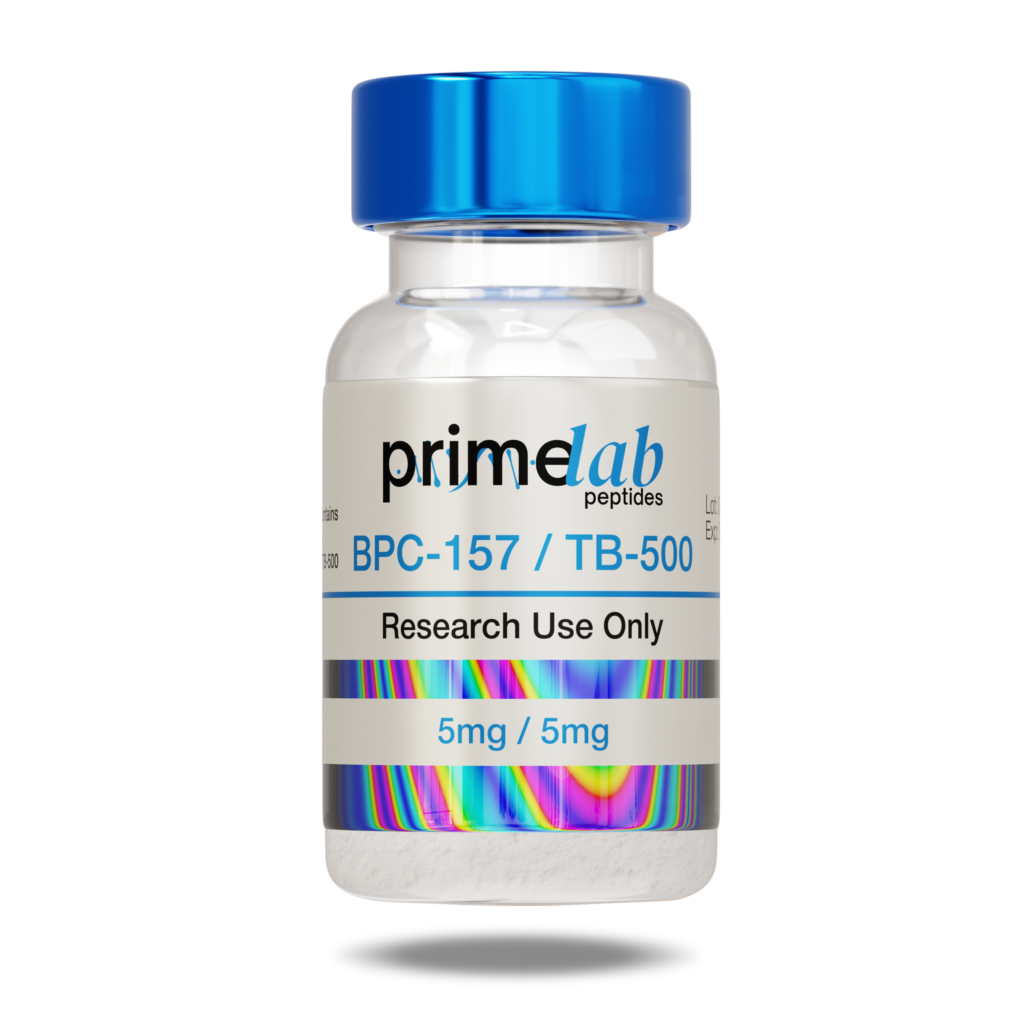
Topical GHK-Cu serum shelf life Pre-made commercial serums: Usually 6-12 months unopened 3-6 months after opening Check manufacturer recommendations Refrigerate after opening extends life DIY serums (mixing powder with carrier): Shorter shelf life than commercial 2-4 weeks typical (no preservatives) Must refrigerate Discard if color changes Factors affecting topical shelf life: Preservatives: Extend significantly pH: Neutral pH more stable Carrier: Some better than others (hyaluronic acid, glycerin good) Storage: Cool, dark, sealed Contamination: Sterile technique critical Best practices for topical GHK-Cu: Buy small bottles (use within 3-6 months) Refrigerate after opening Don't double-dip (pour into hand, don't touch dropper to skin) Watch for color changes (brown = oxidized) Replace every 6 months even if looks fine See our how to reconstitute peptides , bacteriostatic water for peptides , and how long reconstituted peptides last in fridge