CCL20 recruits CC-chemokine receptor 6 (CCR6)-expressing B cells and T cells, ultimately leading to colitis-associated CRC progression
ingredients: aqua/water/eau, macadamia ternifolia seed oil, isocetyl stearoyl stearate, caprylic/capric triglyceride, glycerin, dimethicone, olea europaea (olive) fruit oil, parfum/fragrance, cetearyl alcohol, cetearyl glucoside, cetyl alcohol, stearyl alcohol, butyrospermum parkii (shea) butter, stearic acid, phenoxyethanol, caprylyl glycol, benzophenone-3, tocopheryl acetate, xanthan gum, acrylates/c10-30 alkyl acrylate crosspolymer, potassium sorbate, pentaerythrityl tetra-di-t-butyl hydroxyhydrocinnamate, sodium hydroxide, hexylene glycol, hydroxycitronellal, disodium edta, limonene, bht, linalool, citric acid
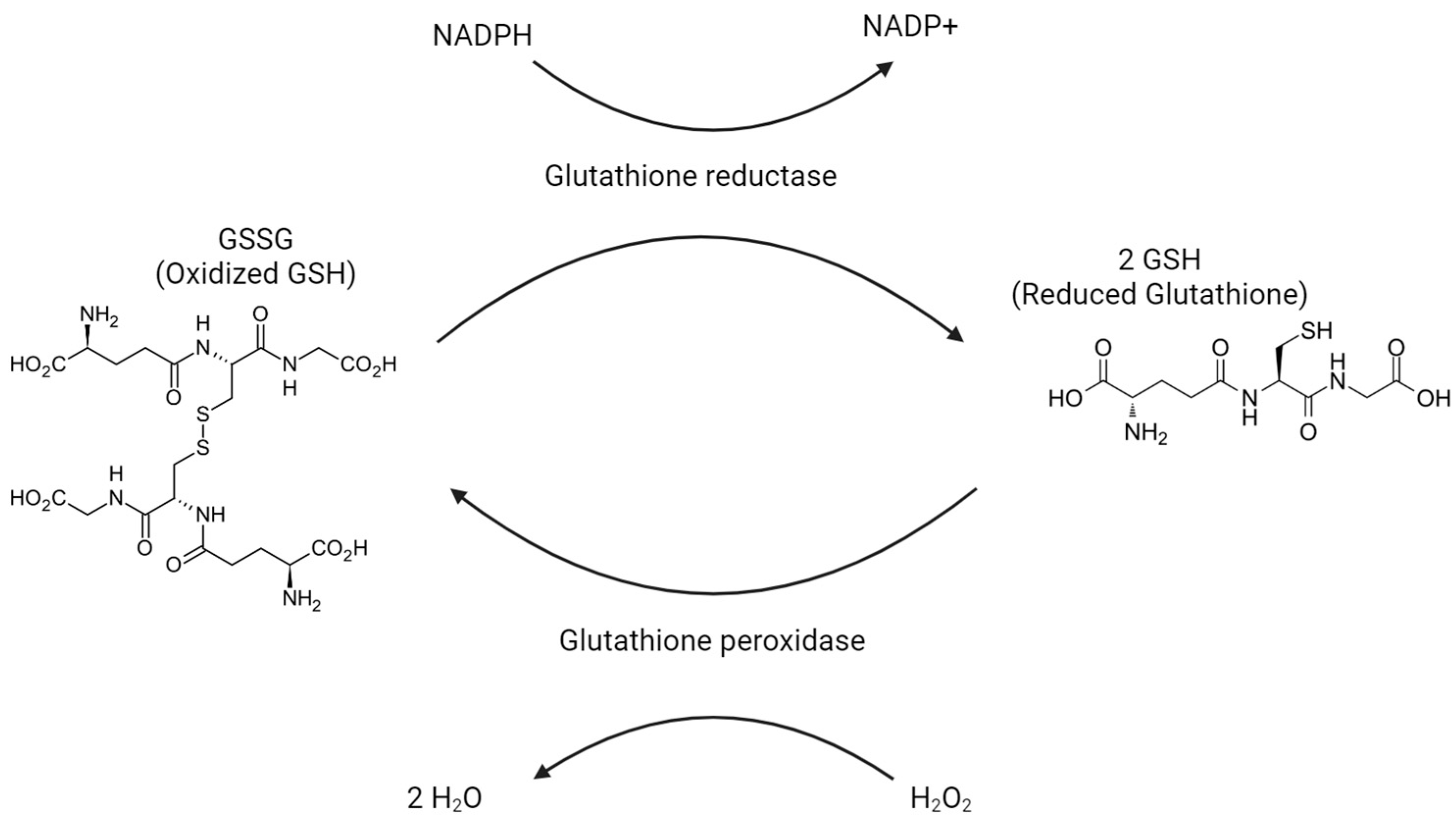
As a consequence, cells of the liver, adipose tissue, adrenal cortex, testis, and lactating mammary gland have high levels of the PPP enzymes
McCambridge, G
Therapy targeting H 2 S-producing enzymes Many natural and synthetic H 2 S donors also have drawbacks such as short in vivo metabolic half-life, potential toxicity, and poor pharmacokinetics