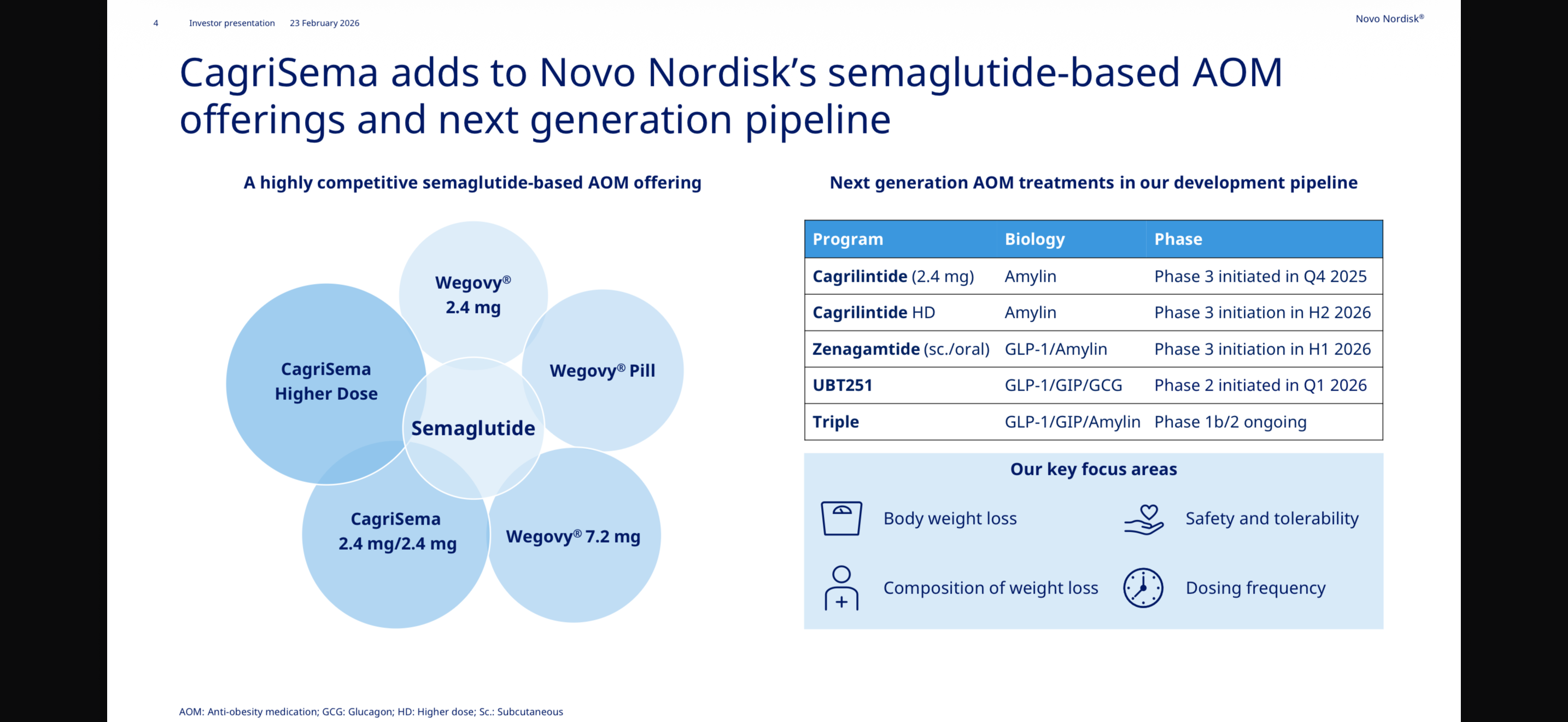
From a pharmacological safety perspective, the adverse effect profile of retatrutide based on Phase 1 and Phase 2 clinical trial data (including the NEJM 2023 Phase 2 trial) includes: Gastrointestinal effects: Nausea, vomiting, diarrhoea, and constipation (the most commonly reported side effects in trial participants) Injection site reactions: Redness, swelling, or discomfort at the injection site Cardiovascular effects: Increases in heart rate have been observed in trial participants [21] [22] Hypoglycaemia: Particularly relevant in individuals with diabetes or those taking insulin, sulfonylureas, or other glucose-lowering agents Potential thyroid effects: GLP-1 receptor agonists have been associated with thyroid C-cell changes in rodent studies
Faggleman's office
Skovgrd K, Barrientos SA, Petersson P et al (2023) Distinctive effects of D1 and D2 receptor agonists on cortico-basal ganglia oscillations in a rodent model of L-DOPA-Induced dyskinesia
Even if clinical trials suggest tolerability, the real-world risk profile changes when: the source and purity of the peptide are uncertain, its used in different routes than studied, its used in stacked protocols with other drugs, its used in populations the trials didnt represent
Typically, most supplements get lost in the digestive system, and very little gets absorbed by the body